
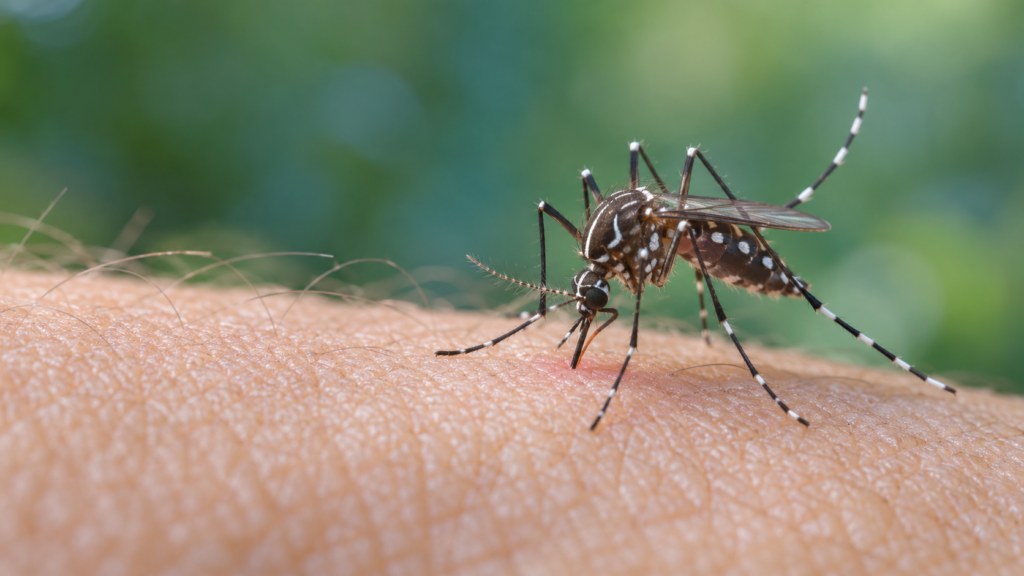
Dengue fever is a viral infection transmitted through the bite of an infected Aedes mosquito. It is common in tropical countries such as Malaysia and can affect adults and children.
Some people experience mild symptoms, while others may develop severe dengue, which can cause bleeding, shock or organ complications. Recognising the symptoms early and obtaining proper medical assessment can help reduce the risk of serious complications.
Quick Facts About Dengue
– Dengue is spread mainly through infected Aedes mosquitoes.
– Symptoms commonly begin around 4–10 days after being bitten.
– A person can be infected with dengue more than once.
– There is no specific antiviral medicine that cures dengue.
– Warning signs may develop when the fever begins to subside.
– Early medical assessment and careful monitoring are important.
The World Health Organization states that dengue symptoms can range from mild or asymptomatic infection to severe illness requiring urgent hospital treatment.
What Is Dengue Fever?
Dengue fever is caused by the dengue virus. There are four main dengue virus types: DENV-1, DENV-2, DENV-3 and DENV-4.
Being infected with one type generally provides immunity only against that particular type. Therefore, it is possible to contract dengue more than once during your lifetime.
Dengue is not normally spread directly from one person to another. Transmission generally happens when an Aedes mosquito bites an infected person and later bites another person.
What Are the Common Symptoms of Dengue?
Dengue symptoms may resemble influenza or another viral infection during the early stages. Common symptoms include:
– Sudden fever
– Severe headache
– Pain behind the eyes
– Muscle, bone or joint pain
– Unusual tiredness or weakness
– Nausea or vomiting
– Loss of appetite
– Skin rash
– Mild nose or gum bleeding
Not everyone with dengue will experience every symptom. A doctor may need to consider your symptoms, examination findings, duration of illness and blood-test results before reaching a diagnosis.
What Are the Warning Signs of Severe Dengue?
A reduction in fever does not always mean that the patient is recovering. Warning signs can sometimes appear as the fever starts to settle.
Seek urgent medical treatment if the patient develops:
– Severe or persistent abdominal pain
– Repeated or persistent vomiting
– Bleeding from the gums or nose
– Blood in vomit or stool
– Black-coloured stool
– Difficulty breathing or rapid breathing
– Severe weakness, drowsiness or confusion
– Restlessness or unusual irritability
– Pale, cold or clammy skin
– Reduced urination
– Inability to drink or keep fluids down
These symptoms can indicate severe dengue and require immediate medical assessment.
Do not wait for all the warning signs to appear. If the patient’s condition is worsening, proceed to the nearest emergency department.
When Should You Get Tested for Dengue?
Consider visiting a clinic if you have a persistent fever accompanied by headache, body pain, pain behind the eyes, nausea, vomiting, rash or unusual weakness—especially if you live in or recently visited an area with reported dengue cases.
The appropriate test depends partly on how many days you have been unwell.
Dengue NS1 Antigen Test
The NS1 antigen test is commonly used during the early stage of illness. Dengue NS1 can generally be detected during the first seven days after symptoms begin.
A positive NS1 result indicates a current dengue infection. However, a negative result does not completely exclude dengue. Further medical assessment or repeat testing may be necessary.
Dengue Antibody Test
Dengue IgM antibody testing may be more useful later in the illness, particularly after the seventh day. The doctor will determine the appropriate test according to the duration of your symptoms and clinical condition.
Full Blood Count
A full blood count, or FBC, may be performed to monitor:
– Platelet count
– White blood cell count
– Haematocrit level
One isolated platelet result cannot confirm or exclude dengue. Changes in blood counts over time, together with symptoms and examination findings, are usually more informative. Repeat blood testing may be recommended.
How Is Dengue Treated?
There is no specific antiviral treatment that cures dengue. Treatment generally focuses on maintaining hydration, controlling fever and monitoring for warning signs.
A doctor may advise you to:
– Rest adequately
– Drink water or oral rehydration fluids regularly
– Monitor your symptoms closely
– Take paracetamol according to the recommended dose
– Return for follow-up examinations or repeat blood tests
Avoid aspirin, ibuprofen and other non-steroidal anti-inflammatory medicines unless specifically advised by a doctor, as these medicines may increase the risk of bleeding.
Do not depend solely on traditional remedies or supplements to treat dengue. They should not replace medical assessment, hydration or monitoring.
Can Dengue Be Treated at Home?
Some patients with mild dengue may recover at home under medical supervision. However, home care is suitable only when the patient:
– Can drink sufficient fluids
– Is passing urine regularly
– Does not have warning signs
– Has access to medical follow-up
– Has a responsible caregiver when necessary
Children, pregnant women, older adults and people with chronic medical conditions may require closer monitoring.
How Can You Prevent Dengue?
Aedes mosquitoes can breed in small amounts of stagnant water. Prevention should focus on eliminating breeding places and avoiding mosquito bites.
Remove Stagnant Water
Check and clean:
– Flowerpot trays
– Buckets and containers
– Roof gutters
– Discarded tyres
– Water storage containers
– Outdoor toys
– Pet water bowls
– Refrigerator drip trays
Empty, clean and scrub containers regularly because mosquito eggs may remain attached to their inner surfaces.
Protect Yourself From Mosquito Bites
– Apply an appropriate mosquito repellent.
– Wear long sleeves and long trousers where practical.
– Use window screens, mosquito nets or air conditioning.
– Keep doors and windows closed when possible.
– Use household insecticides according to their instructions.
A person suspected of having dengue should also avoid mosquito bites during the illness to reduce the chance of mosquitoes acquiring and spreading the virus to other people.
Frequently Asked Questions
Can I have dengue without a very high fever?
Yes. Symptoms can vary between individuals. A medical assessment may still be necessary if you have fever, unusual weakness, body pain, rash or other symptoms suggestive of dengue.
Does a low platelet count automatically mean dengue?
No. A low platelet count can occur for several reasons. Dengue diagnosis should be based on symptoms, medical examination and appropriate laboratory testing.
Can an early dengue test be negative?
Yes. The timing of the test affects its accuracy. A negative early result does not always rule out dengue, particularly when symptoms remain strongly suggestive. Your doctor may recommend repeat testing or a different type of test.
Can dengue happen more than once?
Yes. Four main dengue virus types can cause infection. Previous dengue infection does not provide complete lifelong protection against all four types.
Should I wait until my fever disappears before visiting a clinic?
No. Seek medical assessment if your fever persists or is accompanied by dengue-like symptoms. Remember that severe warning signs can sometimes develop when the fever begins to settle.
Dengue Assessment and Blood Testing in Melaka
If you have fever, body pain, headache, rash or other possible dengue symptoms, visit Klinik Keluarga Medisha for a medical assessment.
Depending on your symptoms and the day of illness, our doctor may recommend:
– Medical consultation and physical examination
– Dengue screening
– Full blood count
– Follow-up assessment
– Referral to a hospital when required